
By Dr Harshini Clinic, Singapore
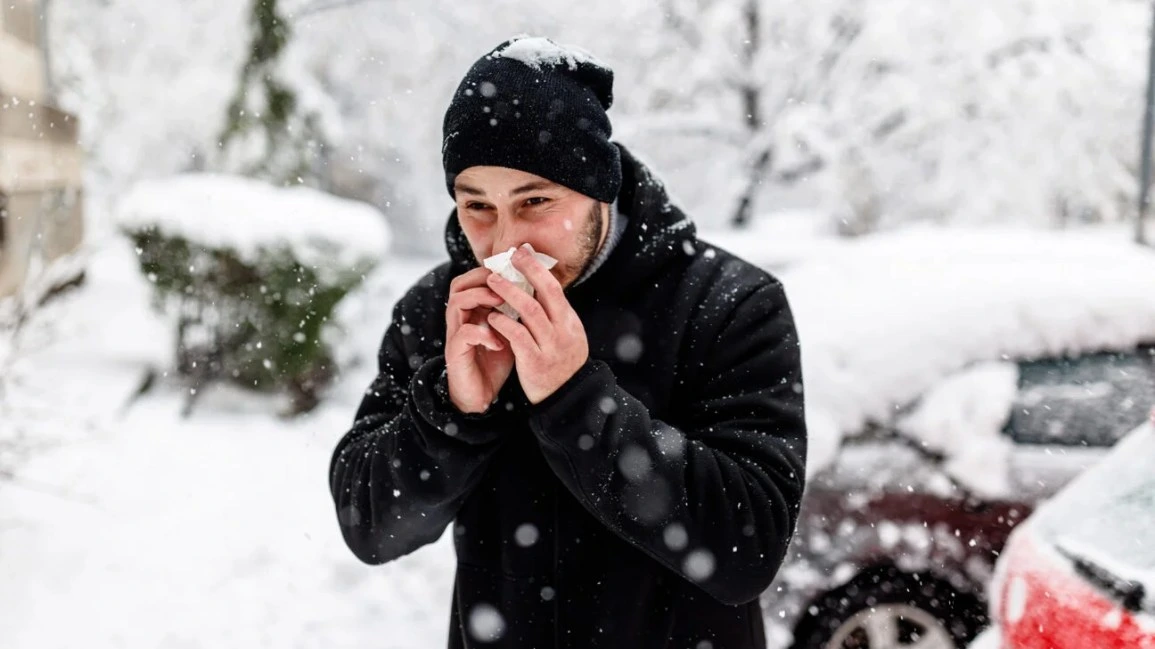
The air turns cooler, the evenings get shorter, and suddenly everyone around you is sniffling. Winter has a way of catching us off guard. One week you feel fine, and the next you are dealing with a blocked nose, a scratchy throat, a cough that will not leave and a body that simply feels run down.
The good news is that winter illness is not random bad luck. Your immunity responds to how you eat, sleep, move, manage stress and look after yourself in the weeks before the cold season arrives. The best time to build a strong defence is now, not after the first cold hits.
This guide explains why immunity dips in winter, what really supports it, and a practical preparation plan you can start this week. Whether you are travelling to a colder country, living through a chilly spell, or dealing with Singapore’s rainy, cooler monsoon months, these habits work.
Quick Answer: How Do You Prepare for Winter and Boost Immunity?
To prepare your immunity for winter, focus on six pillars: a nutrient-rich seasonal diet, 7 to 8 hours of quality sleep, regular moderate exercise, stress management, good hydration and gut health, and early attention to recurring symptoms such as sinus trouble, allergies or frequent colds. Start 3 to 4 weeks before the cold season for the best effect.
Why Does Immunity Drop in Winter?
Many people believe cold weather itself makes you sick. In reality, several things happen together:
- Dry, cold air dries the lining of your nose and throat, which weakens the natural barrier that traps germs.
- More time indoors means closer contact with other people and shared, poorly ventilated air, so viruses spread more easily.
- Less sunlight lowers vitamin D, a nutrient closely linked to immune function.
- Disrupted sleep and routine during festive seasons, travel and shorter days stress the body.
- Sudden temperature changes, such as stepping from warm rooms into cold air or from an air-conditioned space to the rain, can trigger sinus and allergy flare-ups.
- Comfort eating often replaces fresh, nutrient-dense food with heavy, sugary or processed meals.
None of these are things you must simply endure. Each one can be managed.
1. Eat for Immunity: Build Your Winter Plate
Your immune cells are built from what you eat. Instead of chasing a single “superfood”, aim for variety and colour.
Foods worth bringing onto your plate:
| Food | Why it helps |
|---|---|
| Citrus fruits, amla, guava, kiwi, bell peppers | Rich in vitamin C, which supports white blood cell function |
| Garlic, ginger, turmeric | Traditionally used for warming and soothing; commonly added to winter meals and teas |
| Leafy greens, broccoli, carrots, sweet potato | Provide vitamin A, vitamin E, folate and antioxidants |
| Nuts and seeds (almonds, walnuts, pumpkin seeds) | Supply zinc, selenium and healthy fats |
| Lentils, beans, eggs, fish, lean protein | Protein is essential for making antibodies |
| Curd, yogurt, fermented foods | Support a healthy gut, where a large part of your immunity lives |
| Warm soups, broths and herbal teas | Keep you hydrated and warm, and are easy to digest |
Foods to go easy on: refined sugar, deep-fried snacks, excess alcohol and very cold drinks if you notice they trigger your throat or sinuses. Heavy, processed food tends to leave you sluggish and can aggravate mucus and congestion in sensitive people.
A simple tip: try to include at least three different colours on your plate at lunch and dinner. It is an easy way to cover a wide range of nutrients.
2. Protect Your Sleep
Sleep is when your body repairs itself and produces the proteins that help fight infection. People who regularly sleep less than 6 hours are noticeably more likely to catch colds than those who sleep 7 to 8 hours.
To sleep better as the season changes:
- Keep a consistent bedtime and wake time, even on weekends.
- Switch off phones and screens 45 to 60 minutes before bed.
- Keep the bedroom cool, dark and quiet, with enough warmth to avoid shivering.
- Avoid heavy meals and caffeine late in the evening.
- Try a calming wind-down routine: a warm shower, light stretching or gentle reading.
If you often lie awake even when you feel exhausted, treat that as a signal. Long-term poor sleep quietly weakens immunity and deserves proper attention.
3. Keep Moving, Even When It Is Cold
Regular, moderate exercise helps immune cells circulate more effectively. You do not need intense workouts. Consistency matters more than intensity.
- Aim for about 30 minutes of brisk walking, cycling, yoga or light strength training most days.
- Move your body in the morning light when possible. It helps both mood and vitamin D.
- Warm up properly in cold weather to protect joints and muscles.
- Avoid overtraining. Very intense exercise without enough rest can temporarily lower immunity.
People who struggle with joint stiffness in cold weather should keep mobility exercises and gentle stretching as a daily habit.
4. Manage Stress Before It Manages You
Chronic stress raises cortisol, and sustained high cortisol suppresses immune activity. Winter, festive pressure, work deadlines and shorter days can all push stress higher.
Simple tools that genuinely help:
- Breathing exercises: five minutes of slow breathing (inhale for 4, exhale for 6) calms the nervous system.
- Daily sunlight and time outdoors: even 15 to 20 minutes helps regulate your body clock.
- Social connection: talking with friends and family is a proven stress buffer.
- Boundaries around work and screen time.
- Hobbies and rest: time that is not productive is still valuable.
5. Hydrate and Look After Your Gut
In cold weather we often forget to drink water because we do not feel thirsty. But dry air and heated rooms make hydration even more important. Well-hydrated mucous membranes in your nose and throat work better at trapping germs.
- Drink water steadily through the day. Warm water, soups and herbal teas all count.
- Add gut-friendly foods such as curd, buttermilk and fibre-rich vegetables.
- Limit sugary drinks and excessive caffeine.
Around 70 percent of immune cells are associated with the gut, so digestive health and immunity are closely connected. If you experience frequent bloating, acidity or irregular digestion, it is worth addressing, as an unsettled gut can leave you more vulnerable to infections.
6. Get Enough Vitamin D and Sunlight
Shorter days and more time indoors mean many people become low in vitamin D, even in sunny countries. Sensible sun exposure, vitamin D-rich foods such as eggs and oily fish, and, where appropriate, supplements guided by a blood test can all help. Do not self-prescribe high doses without advice.
7. Practise Good Everyday Hygiene
Prevention is still powerful:
- Wash hands with soap for 20 seconds, especially before meals and after public transport.
- Avoid touching your face with unwashed hands.
- Ventilate your home and workplace whenever possible.
- Stay home when you are unwell, and encourage others to do the same.
- Keep surfaces such as phones, keyboards and door handles clean.
- Consider seasonal vaccinations if they are appropriate for you. Discuss this with your regular doctor.
8. Take Care of Sinuses, Allergies and Chronic Complaints Early
Winter is the season when long-standing problems tend to flare up. If you have any of the following, preparing early makes a real difference:
- Chronic sinus congestion, post-nasal drip or frequent sinus infections
- Allergic rhinitis: sneezing, runny nose and itchy eyes triggered by dust, cold air or changing weather
- Dry, itchy or flaring skin such as eczema or dermatitis, which often worsen in dry, cold conditions
- Recurrent coughs, colds or throat infections
- Joint stiffness and aches that worsen in cold, damp weather
- Poor sleep, low energy and constant fatigue
A small recurring complaint ignored in autumn often becomes a big winter problem. Addressing the root cause early, rather than only suppressing symptoms season after season, is where integrative and holistic care can help.
Your Winter Immunity Checklist
Use this as a quick reference:
- Eat a colourful, protein-rich, home-cooked diet
- Sleep 7 to 8 hours at consistent times
- Move for 30 minutes most days
- Practise a daily stress-relief habit
- Drink water, warm fluids and soups through the day
- Support your gut with fibre and fermented foods
- Get sunlight and check vitamin D if you are unsure
- Wash hands and ventilate your spaces
- Notice and address recurring sinus, allergy, skin or digestive symptoms early
Frequently Asked Questions
When should I start preparing for winter? Ideally 3 to 4 weeks before the cold season begins, so that new habits around sleep, diet and exercise have time to take effect.
Can food alone boost my immunity? No single food does it. Immunity is built by overall habits: balanced nutrition, sleep, movement, stress control and hydration working together.
Why do I catch a cold every winter? Frequent colds can point to factors such as low sleep, chronic stress, nutritional gaps, allergies or underlying sinus and gut issues. Looking at the whole picture is more useful than treating each cold separately.
Is it normal for sinus and allergy symptoms to worsen in winter? Yes. Cold, dry air and sudden temperature changes irritate the nasal lining and often trigger flare-ups in people who are already sensitive.
Can children and older adults follow these tips? The basics of good food, sleep, hygiene and gentle activity suit most age groups. Children, older adults and people with existing medical conditions should always follow personalised guidance.
Build Your Winter Resilience with Dr Harshini
If you find yourself catching every cold, battling sinus congestion and allergies each season, or feeling run down as soon as the weather changes, your body may be asking for more than a quick fix. At Dr Harshini Clinic in Singapore, care begins by listening to you in full: your symptoms, sleep, digestion, stress, lifestyle and medical history. Dr Harshini is a healthcare professional (D.I.Hom London, D. Pharm. Tech. Singapore) who offers an integrative, holistic and individualised approach, using gentle homeopathic care and natural support to address the root cause rather than only the symptoms. Her approach is meant to work alongside, not replace, any medical treatment you need.
Do not wait for the first cold of the season to act. Start strengthening your health today.
Book your consultation at Dr Harshini Clinic
📍 320 Serangoon Road, #02-16, Centrium Square, Singapore 218108
🕑 Clinic hours: 2pm to 8pm