
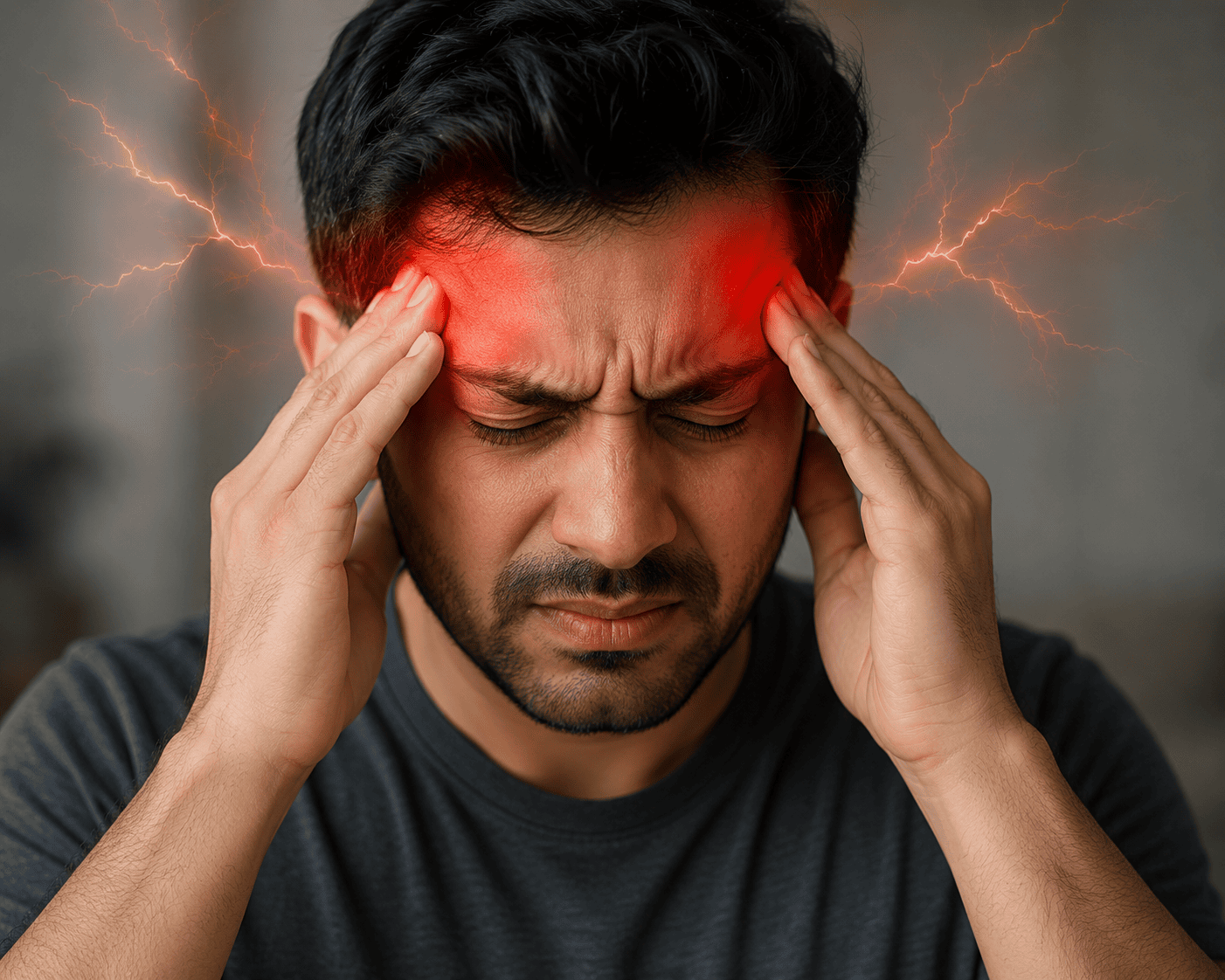
Chronic Migraine Treatment

Understand the causes, symptoms and natural ways to find lasting relief.

Migraine Treatment in Singapore

Migraine is a neurological condition that causes recurring headaches, often accompanied by nausea, vomiting, and sensitivity to light, sound, or smells. The pain can range from moderate to severe and may significantly affect work, daily activities, and quality of life. Migraine attacks may be triggered by stress, hormonal changes, poor sleep, certain foods, dehydration, or environmental factors. At Dr. Harshini Clinic Singapore, every patient receives a comprehensive evaluation to identify possible triggers and develop a personalized treatment plan focused on reducing attack frequency, relieving symptoms, and improving long-term neurological health.

Symptoms of Migraine

  • ✔ Moderate to severe throbbing headache
  • ✔ Pain on one or both sides of the head
  • ✔ Nausea or vomiting
  • ✔ Sensitivity to light, sound, or strong smells
  • ✔ Blurred vision or visual disturbances (aura)
  • ✔ Fatigue and difficulty concentrating

Common Causes of Migraine

  • ✔ Emotional stress and anxiety
  • ✔ Hormonal fluctuations
  • ✔ Lack of sleep or irregular sleep patterns
  • ✔ Certain foods and beverages
  • ✔ Bright lights, loud noises, or strong odors
  • ✔ Weather or environmental changes
  • ✔ Family history of migraine
  • ✔ Skipping meals or dehydration

Migraine Treatment at Dr. Harshini Clinic

Effective migraine treatment begins with understanding the pattern, severity, and triggers of your headaches. At Dr. Harshini Clinic Singapore, patients undergo a detailed assessment of symptoms, lifestyle, medical history, and contributing factors. Personalized treatment plans focus on reducing headache frequency, relieving pain, identifying avoidable triggers, and supporting long-term neurological health and overall well-being.

What Improvement Looks Like With Chronic Migraine Care

Improvement in chronic migraine is usually gradual and individualized. With appropriate care, some people may notice fewer headache days, reduced migraine intensity, better recovery after attacks, and improved daily functioning over time.

Week 2–4

  • Better understanding of migraine triggers and patterns
  • Closer tracking of headache frequency and associated symptoms
  • Improved awareness of sleep, stress, food, and lifestyle factors

Week 4–8

  • Reduced frequency of some migraine episodes
  • Less severe headache intensity in some individuals
  • Better recovery after migraine attacks

Week 8–12

  • Fewer headache days in some people with chronic migraine
  • Reduced sensitivity to light, sound, or nausea during attacks
  • Less disruption to work, sleep, and daily activities

Long-Term (3–6 Months)

  • More consistent management of chronic migraine symptoms
  • Better understanding of personal migraine triggers
  • Improved quality of life and daily functioning

Important: Chronic migraine usually means experiencing headaches on 15 or more days per month, with migraine features on many of those days. Improvement timelines vary depending on migraine duration, frequency, triggers, sleep, stress, hormonal factors, medications, and individual response to care. Sudden severe headache, neurological symptoms, or new persistent headaches should be medically assessed.

Why Chronic Migraine Is Becoming More Common — and Why Personalized Care Matters

Migraine is no longer considered just an occasional headache. Many people experience frequent or chronic migraine that affects work, sleep, concentration, mood, and quality of life. Understanding the factors that contribute to recurring migraine can help guide a more personalized approach to migraine care.

Why Are Migraines Becoming More Common?

Modern lifestyle factors may increase the frequency of migraine in susceptible individuals. Common contributors include:

  • Stress and mental overload
  • Poor or irregular sleep
  • Excessive screen time and digital eye strain
  • Skipping meals or dehydration
  • Hormonal fluctuations
  • Caffeine changes or withdrawal
  • Environmental triggers such as bright light, noise, heat, or strong smells
A useful clue If headaches occur repeatedly, follow a pattern, or interfere with daily activities, they may represent migraine rather than an ordinary headache.

Why Many Patients Choose Dr Harshini for Chronic Migraine Care in Singapore

Dr Harshini focuses on understanding the complete migraine pattern rather than looking at only the headache itself.

  • How often migraine occurs
  • Duration and intensity of attacks
  • Associated symptoms such as nausea, vomiting, light sensitivity, sound sensitivity, or visual disturbances
  • Sleep, stress, hormonal, and lifestyle factors
  • Triggers such as food, weather changes, screens, or environmental exposures
  • The effect of migraine on work, study, family life, and overall wellbeing
The key difference Chronic migraine can be different for every person. Understanding your individual triggers, symptoms, and pattern helps create a more personalized approach to long-term migraine management.

Why People Trust Dr Harshini for Chronic Migraine Care in Singapore

Chronic migraine can affect work, sleep, concentration, and everyday life. Dr Harshini focuses on understanding your headache pattern, migraine symptoms, possible triggers, health history, and lifestyle factors to provide personalized migraine care in Singapore.

🧠

Understanding Your Migraine Pattern

The frequency, duration, severity, location, and associated symptoms of your headaches are considered to understand your individual migraine pattern.

🌿

Identifying Possible Triggers

Stress, poor sleep, dehydration, skipped meals, hormonal changes, bright light, weather changes, and other factors may trigger or worsen migraines in some people.

📋

Personalized Migraine Care

Your migraine history, symptoms, lifestyle, previous treatment response, and individual health concerns are considered when planning your care.

🩺

Ongoing Headache Management

Regular follow-up helps track headache frequency, migraine symptoms, possible triggers, and how recurring headaches affect your daily activities.

Chronic Migraine Care • Singapore

Understanding Why Your Migraines Keep Coming Back

Migraine is more than a headache. Recurrent migraine attacks can involve throbbing head pain, nausea, vomiting, and sensitivity to light or sound. Understanding your individual pattern and possible triggers can help guide a more personalized approach to migraine care.

Headache Pattern How often do your headaches occur, how long do they last, and how severely do they affect your daily activities?
Migraine Triggers Do stress, sleep changes, dehydration, skipped meals, hormonal changes, weather, or bright light appear to trigger your migraines?
Migraine Symptoms Do your attacks involve nausea, vomiting, throbbing pain, light sensitivity, sound sensitivity, or visual symptoms?
Daily Impact Are recurring migraines affecting your sleep, concentration, work, exercise, relationships, or overall quality of life?
Book Migraine Consultation →

Chronic Migraine Care Experiences From Our Patients

Personalized care focused on understanding recurring migraine attacks, headache patterns, triggers, associated symptoms, and their impact on everyday life.

★★★★★

I was having frequent migraine attacks with throbbing pain and sensitivity to light. Understanding my headache pattern and possible triggers helped me manage my symptoms more carefully.

Rachel Lim, Singapore
★★★★★

My migraines were often accompanied by nausea and made it difficult to concentrate at work. The consultation helped me understand my recurring symptoms and possible triggers better.

Daniel Tan, Singapore
★★★★★

Stress, poor sleep, and skipping meals seemed to make my headaches worse. Tracking my symptoms helped me recognise patterns I had not noticed before.

Nur Aisyah Rahman, Singapore
★★★★★

Recurring migraines were affecting my sleep and daily routine. I appreciated the personalized approach and regular follow-up to understand my headache frequency and symptoms.

Kavitha Nair, Singapore

Why Consider Dr Harshini for Chronic Migraine Care?

Migraine can involve throbbing headache, nausea, vomiting, and sensitivity to light or sound. Dr Harshini focuses on understanding your individual migraine pattern, possible triggers, lifestyle factors, and previous treatment response when planning personalized care in Singapore.

  • Detailed assessment of headache frequency, duration, severity, and recurring patterns
  • Understanding possible triggers such as stress, sleep changes, dehydration, missed meals, hormones, and weather
  • Assessment of associated symptoms such as nausea, light sensitivity, sound sensitivity, and aura
  • Consideration of how recurring migraines affect sleep, concentration, work, and daily activities
  • Regular follow-up to monitor changes in headache patterns and migraine symptoms
The key difference: Migraine symptoms and triggers vary between individuals. Understanding your personal headache pattern and associated factors allows Dr Harshini to provide a more individualized approach to migraine care.
Book Migraine Consultation

Frequently Asked Questions About Migraine

Learn more about migraine, common triggers, symptoms, diagnosis, treatment options, and practical ways to reduce recurring attacks and improve your quality of life.

What is a migraine?

A migraine is a neurological condition that causes recurring headaches, often accompanied by nausea, vomiting, and sensitivity to light, sound, or smells. Some people may also experience visual disturbances known as an aura before an attack.

What can trigger a migraine?

Common triggers include emotional stress, hormonal changes, lack of sleep, dehydration, skipped meals, certain foods, bright lights, loud noises, strong odors, and weather changes.

When should I consult a doctor?

You should seek medical advice if headaches become frequent, severe, interfere with daily activities, or are accompanied by vision changes, weakness, confusion, or other unusual neurological symptoms. Dr Harshini Clinic Singapore provides comprehensive evaluation and personalized treatment.

How is migraine diagnosed?

At Dr Harshini Clinic Singapore, diagnosis includes reviewing your headache pattern, symptoms, medical history, lifestyle, and possible triggers. Additional investigations may be recommended when necessary.

Can migraine attacks be prevented?

Maintaining regular sleep, staying hydrated, managing stress, eating balanced meals, and avoiding known triggers may help reduce the frequency and severity of migraine attacks.

What treatment options are available for migraine?

At Dr Harshini Clinic Singapore, treatment is tailored to your symptoms, attack frequency, and health needs. Personalized management focuses on relieving pain, reducing recurring attacks, identifying triggers, and improving long-term quality of life.