
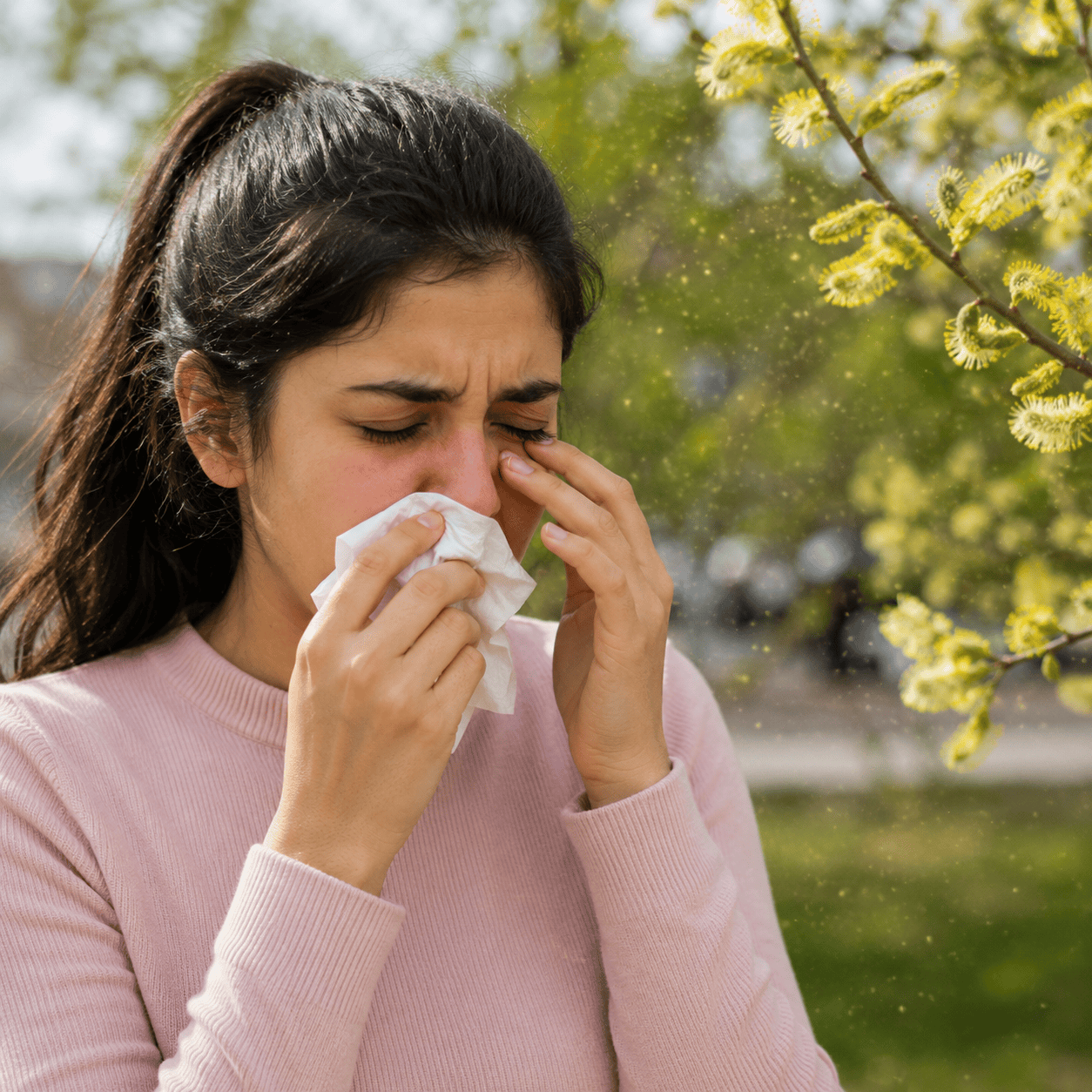
Environmental Allergies Treatment

Understand the causes, symptoms and natural ways to find lasting relief.

What are Environmental Allergies ?

Environmental allergies occur when the immune system reacts to airborne substances such as pollen, dust mites, mold spores, pet dander, or air pollutants. These reactions can cause sneezing, nasal congestion, itchy eyes, coughing, and other respiratory symptoms that may affect daily life. At Dr. Harshini Clinic Singapore, every patient receives a comprehensive assessment to identify allergy triggers and a personalized treatment plan focused on relieving symptoms, reducing allergic reactions, and improving long-term respiratory health.

How to tell if you have Environmental Allergies?

  • ✔ Frequent sneezing
  • ✔ Runny or blocked nose
  • ✔ Itchy, watery, or red eyes
  • ✔ Throat irritation and coughing
  • ✔ Postnasal drip
  • ✔ Fatigue due to persistent allergy symptoms

Common Causes of Environmental Allergies

  • ✔ Pollen from trees, grasses, and weeds
  • ✔ Dust mites
  • ✔ Mold spores
  • ✔ Pet dander and animal fur
  • ✔ Smoke and air pollution
  • ✔ Seasonal weather changes
  • ✔ Indoor allergens and poor air quality
  • ✔ Family history of allergies or asthma

Environmental Allergies Treatment at Dr. Harshini Clinic

Effective treatment begins with identifying the allergens responsible for your symptoms. At Dr. Harshini Clinic Singapore, patients undergo a detailed evaluation of their medical history, lifestyle, and environmental exposures. Personalized treatment plans are designed to relieve allergy symptoms, reduce sensitivity to common triggers, prevent recurring flare-ups, and support healthier breathing and overall well-being.

Types of Environmental Allergies We Treat

Environmental allergies can develop when the immune system reacts to substances present in everyday surroundings. In Singapore, exposure to dust mites, mold, pollen, pet dander, air pollution, and other airborne allergens may contribute to sneezing, nasal congestion, itchy eyes, runny nose, and other allergy symptoms.

Indoor Allergy

Dust Mite Allergies

Dust mites are common indoor allergens that can trigger recurring nasal and respiratory allergy symptoms, particularly in bedrooms and other indoor environments.

  • Frequent sneezing
  • Blocked or runny nose
  • Itchy nose or eyes
Common sources: Bedding, mattresses, pillows, carpets, upholstered furniture, and household dust.
Outdoor Allergy

Pollen Allergies

Pollen from plants and trees can trigger allergy symptoms in sensitive individuals and may cause repeated sneezing and nasal irritation after outdoor exposure.

  • Repeated sneezing
  • Runny or itchy nose
  • Watery or itchy eyes
Common sources: Grass, trees, flowering plants, and airborne pollen particles.
Indoor & Outdoor

Mold Allergies

Mold spores can become airborne and may trigger allergy symptoms in people who are sensitive to mold, particularly in damp or poorly ventilated environments.

  • Sneezing and nasal irritation
  • Nasal congestion
  • Itchy or watery eyes
Common sources: Damp rooms, bathrooms, air-conditioning areas, walls, ceilings, and areas with excess moisture.
Pet-Related

Pet Dander Allergies

Proteins found in pet dander, saliva, and other animal secretions can trigger allergy symptoms after exposure to cats, dogs, and other household pets.

  • Sneezing around pets
  • Runny or blocked nose
  • Itchy or watery eyes
Common sources: Cats, dogs, pet dander, saliva, and particles carried on clothing or household surfaces.
Airborne Irritants

Air Pollution & Environmental Irritants

Air pollution and airborne irritants may worsen nasal sensitivity and allergy-like symptoms in some people, particularly those who already have sensitive airways or allergic conditions.

  • Nasal irritation and congestion
  • Sneezing and throat irritation
  • Increased sensitivity to polluted air
Common exposures: Traffic pollution, smoke, haze, strong fragrances, chemical fumes, and other airborne irritants.

At Dr Harshini Clinic in Singapore, we focus on understanding your environmental allergy symptoms, possible triggers, exposure patterns, and individual health history to develop a personalized approach to allergy care and long-term symptom management.

Why People Trust Dr Harshini for Environmental Allergy?

Environmental allergies can cause recurring sneezing, a runny or blocked nose, itchy or watery eyes, throat irritation, and breathing discomfort. Dr Harshini provides personalized environmental allergy care in Singapore by understanding your symptoms, possible environmental triggers, and how allergies affect your everyday life.

🌿

Understanding Environmental Allergy Symptoms

Dr Harshini considers common allergy symptoms such as repeated sneezing, nasal congestion, runny or itchy nose, watery eyes, post-nasal drip, and throat irritation to understand your individual allergy pattern.

🏠

Identifying Environmental Triggers

Environmental allergies may be triggered by dust mites, pollen, mold, pet dander, smoke, air pollution, and other airborne irritants. Identifying possible triggers can help with better allergy symptom management.

📋

Personalized Allergy Care

Dr Harshini considers your allergy symptoms, health history, lifestyle, environment, trigger exposure, and previous treatment response when developing an individualized approach to environmental allergy care.

🩺

Ongoing Allergy Management

Environmental allergies can be recurring or persistent. Regular follow-up helps monitor changes in sneezing, nasal symptoms, eye irritation, breathing comfort, sleep, and other allergy-related concerns.

Environmental Allergy Care • Singapore

Understanding What May Be Triggering Your Environmental Allergies

Environmental allergies occur when the immune system reacts to substances present in the surrounding environment. Dust mites, pollen, mold, pet dander, smoke, and air pollution can contribute to allergy symptoms in susceptible individuals. Understanding your symptoms and exposure patterns can help guide a more personalized approach to allergy care.

Dust & Dust Mites Do sneezing, nasal congestion, itching, or a runny nose become worse while cleaning, indoors, or around dusty environments?
Air Pollution & Irritants Smoke, haze, traffic-related pollution, strong smells, and other airborne irritants may worsen nasal and respiratory symptoms in some people.
Mold, Pollen & Pet Dander Exposure to mold, pollen, cats, dogs, or other allergens can trigger sneezing, nasal irritation, watery eyes, and other allergy symptoms.
Individual Allergy Pattern When do your symptoms appear, where do they become worse, and which environmental factors seem to trigger or increase your allergy symptoms?
Book Environmental Allergy Consultation →

Environmental Allergy Treatment Experiences From Our Patients

Personalized care focused on understanding environmental allergy symptoms, identifying possible triggers, and improving nasal comfort, breathing, sleep, and everyday quality of life.

★★★★★

My sneezing and blocked nose became worse around dust and while cleaning. Understanding my possible environmental triggers helped me become more aware of what was affecting my symptoms.

Ananya Mehta, Singapore
★★★★★

I regularly experienced sneezing, an itchy nose, and watery eyes. The consultation helped me understand how environmental allergies could be connected to the symptoms I was experiencing.

Ryan Lim, Singapore
★★★★★

My allergy symptoms seemed to get worse with changes in weather and exposure to pollution. Discussing my symptoms and daily environment helped me understand my recurring pattern better.

Simran Kaur, Singapore
★★★★★

Dust and indoor environments often triggered my nasal symptoms. Regular follow-up helped me track my sneezing, congestion, and other allergy symptoms more carefully.

Jonathan Tan, Singapore

Why Consider Dr Harshini for Environmental Allergies Treatment?

Environmental allergies can be triggered by substances present in everyday surroundings, including dust mites, pollen, mold, pet dander, smoke, and air pollution. Dr Harshini focuses on understanding your individual symptoms, environmental exposure, and recurring allergy pattern when planning personalized care.

  • Detailed assessment of environmental allergy symptoms such as sneezing, congestion, itching, and runny nose
  • Identification of possible triggers including dust mites, pollen, mold, pet dander, smoke, and pollution
  • Assessment of related symptoms such as watery eyes, post-nasal drip, and throat irritation
  • Consideration of how environmental allergies affect sleep, breathing, concentration, work, and daily activities
  • Regular follow-up to monitor changes in symptoms and response to care
The key difference: Environmental allergy symptoms can vary depending on the person, surroundings, and specific triggers. Understanding your individual symptoms and environmental exposure allows Dr Harshini to provide a more personalized approach to allergy care.
Book Environmental Allergy Consultation

Frequently Asked Questions About Environmental Allergies

Learn more about environmental allergies, common airborne allergens, allergy symptoms, diagnosis, treatment options, and practical ways to reduce exposure and improve your quality of life.

What are environmental allergies?

Environmental allergies occur when the immune system reacts to substances in the environment such as pollen, dust mites, mold spores, pet dander, or air pollutants. These reactions commonly affect the nose, eyes, throat, and respiratory system.

What are the common symptoms of environmental allergies?

Symptoms may include sneezing, a runny or blocked nose, itchy eyes, watery eyes, throat irritation, coughing, postnasal drip, and fatigue. Some individuals may also experience worsening asthma symptoms.

When should I consult a doctor for allergy symptoms?

Medical evaluation is recommended if symptoms persist, frequently return, interfere with sleep or daily activities, or do not improve despite avoiding common triggers. Dr Harshini Clinic Singapore provides comprehensive assessment and personalized allergy management.

How are environmental allergies diagnosed?

At Dr Harshini Clinic Singapore, diagnosis begins with a detailed review of your symptoms, medical history, lifestyle, home and workplace exposures, and possible allergy triggers to determine the underlying cause.

Can environmental allergies be prevented?

While allergies cannot always be prevented, limiting exposure to pollen, dust, mold, smoke, and other airborne irritants, maintaining a clean indoor environment, and following medical advice may help reduce flare-ups.

What treatment options are available for environmental allergies?

At Dr Harshini Clinic Singapore, treatment is personalized according to your symptoms and allergy triggers. Management focuses on reducing allergic reactions, relieving nasal and eye symptoms, minimizing future flare-ups, and improving overall respiratory health.