
loader image

Allergic Rhinitis Treatment in Singapore.

Understand the causes, symptoms and natural ways to find lasting relief.

Allergic Rhinitis Treatment in Singapore

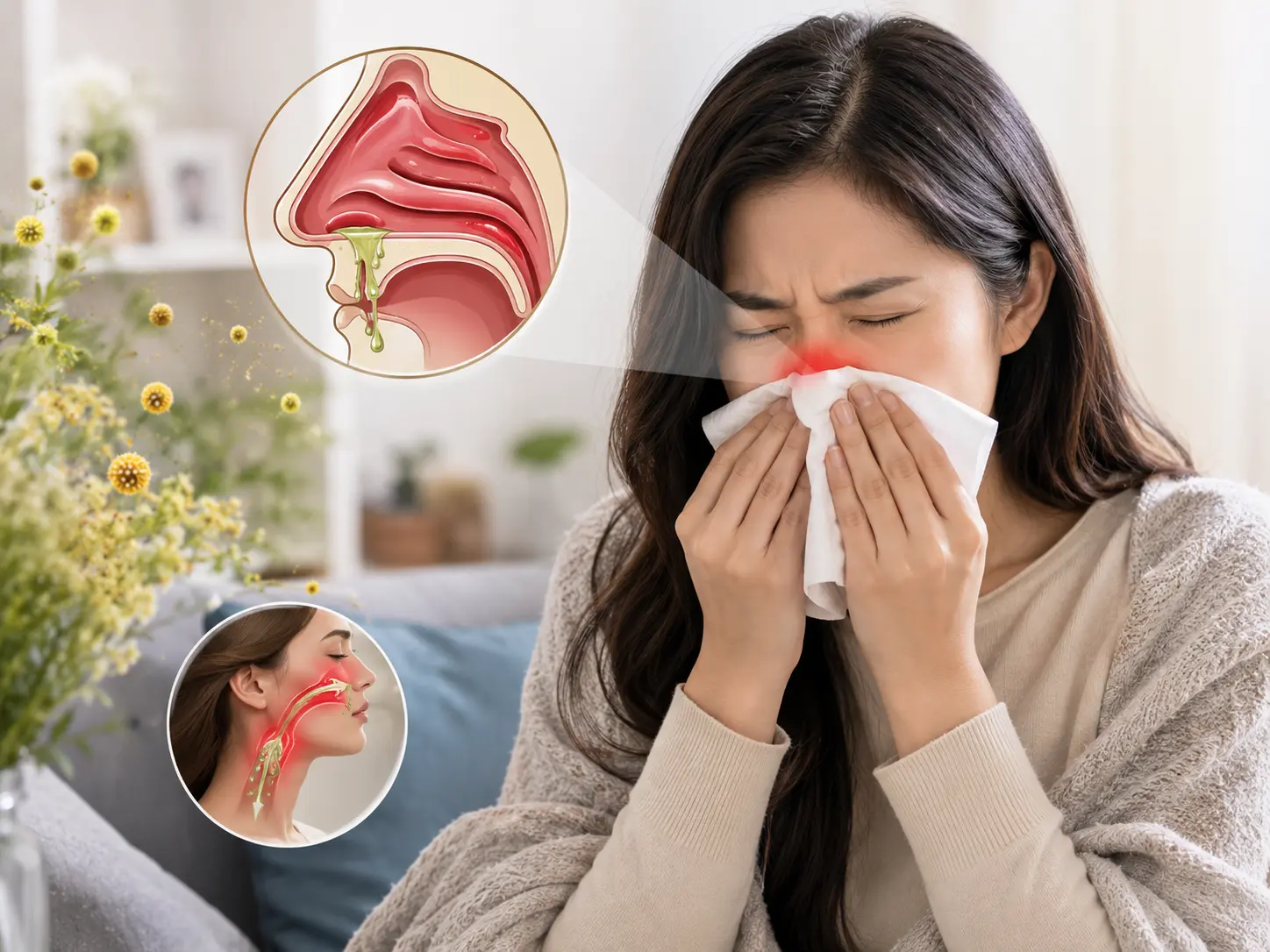
Allergic rhinitis, commonly known as hay fever, is an allergic condition that affects the nose when the immune system reacts to airborne allergens such as pollen, dust mites, mold, or pet dander. It can cause persistent sneezing, a runny or blocked nose, itchy eyes, and nasal irritation, affecting daily comfort and sleep. At Dr. Harshini Clinic Singapore, patients receive a detailed evaluation to identify allergy triggers and receive a personalized treatment plan aimed at relieving symptoms, reducing allergy flare-ups, and improving overall respiratory health.

Symptoms of Allergic Rhinitis

  • ✔ Frequent sneezing
  • ✔ Runny or blocked nose
  • ✔ Itchy nose, eyes, or throat
  • ✔ Watery or red eyes
  • ✔ Postnasal drip and throat irritation
  • ✔ Fatigue or disturbed sleep due to nasal congestion

Common Causes of Allergic Rhinitis

  • ✔ Pollen from trees, grasses, and weeds
  • ✔ Dust mites
  • ✔ Pet dander
  • ✔ Mold spores
  • ✔ Environmental pollutants and smoke
  • ✔ Family history of allergies or asthma
  • ✔ Seasonal or year-round allergens
  • ✔ Changes in weather and air quality

Allergic Rhinitis Treatment at Dr. Harshini Clinic

Effective treatment for allergic rhinitis begins with identifying the allergens responsible for your symptoms. At Dr. Harshini Clinic Singapore, every patient undergoes a comprehensive assessment to determine allergy triggers and the severity of the condition. Personalized treatment plans focus on relieving nasal congestion, reducing sneezing and irritation, preventing recurring allergy episodes, and improving long-term nasal and respiratory health.

What Improvement Looks Like With Allergic Rhinitis Treatment

Improvement with allergic rhinitis treatment is usually gradual and can vary from person to person. As symptoms become better controlled, patients may experience less sneezing, reduced nasal congestion, fewer episodes of a runny or itchy nose, easier breathing, and better sleep.

Week 2–4: Early Symptom Relief

  • Less frequent sneezing and nasal irritation
  • Reduced runny or blocked nose
  • Less itching in the nose, throat, or eyes

Week 4–8: Improved Allergy Control

  • Fewer episodes of nasal congestion and sneezing
  • Reduced post-nasal drip and throat irritation
  • Better sleep and easier breathing at night

Week 8–12: More Consistent Relief

  • Fewer allergic rhinitis flare-ups
  • Improved nasal comfort and sense of smell
  • Less disruption to work, study, and daily activities

Long-Term: 3–6 Months

  • More consistent control of allergic rhinitis symptoms
  • Fewer and milder allergy flare-ups
  • Improved breathing, sleep, and overall daily comfort

Important: The timeline for allergic rhinitis improvement varies between individuals. Results may depend on the severity and duration of symptoms, response to treatment, consistency with the treatment plan, and exposure to allergy triggers such as dust, pollen, smoke, pollution, pet dander, or other allergens.

Why Consider Homeopathy for Allergic Rhinitis?

Allergic rhinitis can cause recurring sneezing, nasal congestion, a runny or blocked nose, itchy eyes and breathing discomfort. Understanding your individual symptoms and possible triggers is an important part of managing recurring allergies.

An Individualized Homeopathic Approach

Homeopathy is an individualized system of complementary care in which treatment is selected according to a person's symptoms, health history and individual pattern. At Dr Harshini Homeopathy Clinic, homeopathy may be considered as part of a personalized approach to allergic rhinitis.

  • Assessment of recurring sneezing and nasal congestion
  • Attention to runny nose, blocked nose and post-nasal drip
  • Understanding patterns of recurring allergy symptoms
  • Consideration of individual environmental and lifestyle triggers
  • Attention to associated itchy or watery eyes
  • Regular review of changing symptoms and overall wellbeing
DR HARSHINI HOMEOPATHY CLINIC

Benefits of Choosing Dr Harshini

Allergic rhinitis can affect sleep, concentration, work, exercise and everyday comfort. Dr Harshini focuses on understanding your individual allergy pattern and providing personalized care around your concerns.

Personalized Consultation

Your symptoms, medical history, lifestyle and recurring allergy pattern are considered during consultation.

Focus on Your Triggers

Attention is given to factors that may be associated with your recurring nasal and allergy symptoms.

+

Whole-Person Care

Your allergy concerns are considered alongside sleep, lifestyle, wellbeing and other relevant factors.

Ongoing Follow-Up

Regular follow-up helps review changes in symptoms and guide appropriate next steps in your care.

A patient-focused approach: Care is built around understanding your individual allergic rhinitis symptoms, recurring patterns, possible triggers and overall health concerns.
Book an Allergic Rhinitis Consultation

Frequently Asked Questions About Allergic Rhinitis

Learn more about allergic rhinitis (hay fever), sneezing, runny nose, nasal congestion, allergy triggers, diagnosis, treatment options, and ways to manage allergy symptoms effectively.

What is allergic rhinitis?

Allergic rhinitis, also known as hay fever, is an allergic reaction that occurs when the immune system overreacts to airborne allergens such as pollen, dust mites, mold, or pet dander. It commonly causes sneezing, a runny nose, nasal congestion, and itchy eyes.

What causes allergic rhinitis?

Allergic rhinitis is triggered by allergens including pollen, dust mites, pet dander, mold spores, and environmental pollutants. A family history of allergies or asthma may also increase the risk of developing the condition.

When should I see a doctor for allergic rhinitis?

You should consult a doctor if allergy symptoms persist, frequently recur, interfere with sleep or daily activities, or do not improve with routine allergy management. Dr Harshini Clinic Singapore provides comprehensive evaluation and personalized treatment for allergic rhinitis.

How is allergic rhinitis diagnosed?

At Dr Harshini Clinic Singapore, diagnosis includes a detailed review of your symptoms, allergy history, environmental exposures, medical history, and physical examination to identify potential allergy triggers.

Can allergic rhinitis be prevented?

While allergic rhinitis cannot always be prevented, avoiding known allergens, reducing exposure to dust and pollen, maintaining a clean indoor environment, and following medical advice can help reduce allergy flare-ups.

What treatment options are available for allergic rhinitis?

At Dr Harshini Clinic Singapore, treatment is tailored to the severity of your allergy symptoms and individual triggers. Personalized treatment plans focus on relieving nasal congestion, sneezing, and irritation while helping prevent recurrent allergic episodes.