
Table of Contents
ToggleHow to Deal with Chronic Stress and Anxiety: A Practical Guide for Busy Singaporeans
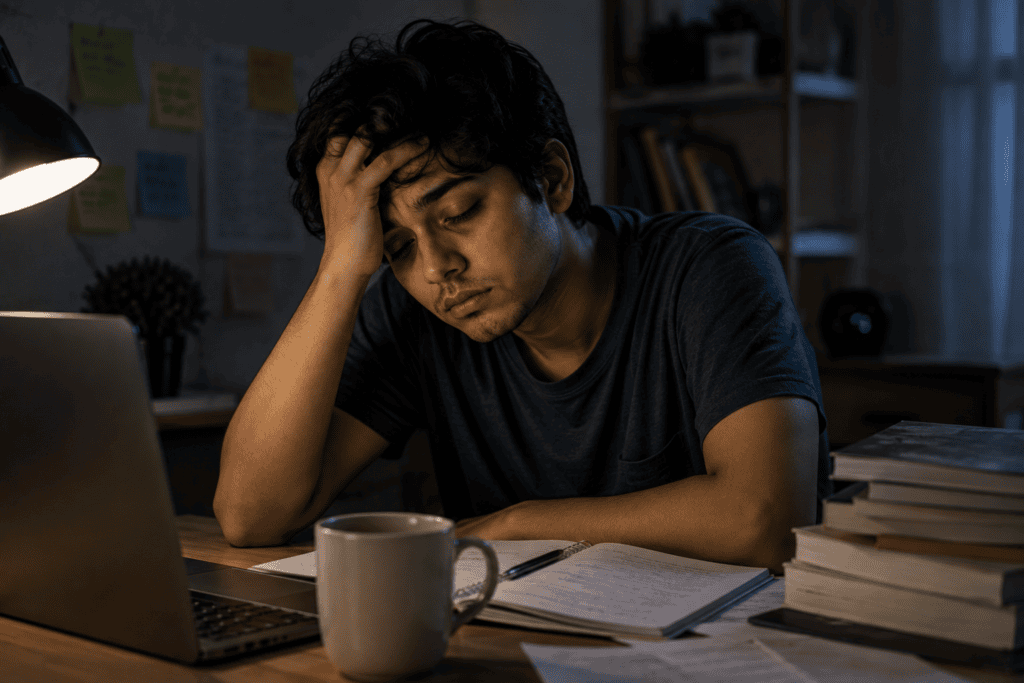
Quick answer: Chronic stress and anxiety are best managed by combining daily nervous system regulation (breathing, sleep, movement, boundaries) with an approach that looks at the root cause rather than just the symptoms. Most people feel noticeably calmer within a few weeks of consistent changes, and lasting relief comes from addressing why the body stays in “alert mode.”
Racing thoughts at 2am. A tight chest on the MRT. A jaw you didn’t realise you were clenching. If this sounds familiar, you’re far from alone. Long work hours, high living costs, family expectations and constant notifications make Singapore one of the places where stress quietly becomes a way of life.
The good news: a stressed nervous system can learn to settle again.
What Is the Difference Between Stress and Anxiety?
Stress is your body’s response to a demand: a deadline, an exam, a difficult relationship. It usually eases when the pressure passes.
Anxiety is the worry that stays even when nothing is actually wrong. It shows up as dread, overthinking and a feeling that something bad is about to happen.
Chronic stress is when the pressure never switches off. Over time it can feed anxiety, and anxiety adds more stress. They become a loop.
Signs Your Stress Has Become Chronic
You may notice:
- Trouble falling asleep, or waking at 3 or 4am with a racing mind
- Constant tiredness, even after resting
- Tight shoulders, headaches, jaw tension
- Bloating, acid reflux, an irritable stomach or changes in appetite
- Palpitations, a “fluttery” chest or shortness of breath
- Irritability, low patience, difficulty concentrating
- Feeling overwhelmed by small things
- Skin flare-ups, frequent colds or slow recovery
Notice how many of these are physical. Stress isn’t “just in your head.” It lives in the whole body.
Why Chronic Stress Affects the Whole Body
When you feel under threat, your body releases cortisol and adrenaline. That’s helpful for a short sprint. But when the alarm never turns off, it can disturb sleep, digestion, hormones, immunity and mood. This is why long-term stress so often shows up as poor sleep, gut trouble, skin problems or hormonal imbalance rather than as “worry” alone.
It’s also why a whole-person view matters. Two people can both say “I’m stressed,” yet one loses sleep, another loses appetite, and a third gets headaches. The pattern is personal, so the support works best when it’s personal too.
9 Practical Ways to Deal with Chronic Stress and Anxiety
1. Slow your breathing
Breathe in for 4 counts and out for 6. A longer exhale signals safety to the nervous system. Five minutes, twice a day, is enough to start.
2. Protect your sleep
Keep a regular bedtime, dim the lights an hour before, and keep your phone out of reach. Poor sleep raises anxiety, and anxiety disturbs sleep, so this is the first loop to break.
3. Move your body daily
A 20-minute walk, a gentle yoga session or a swim lowers stress hormones. You don’t need a hard workout. Consistency matters more than intensity.
4. Eat to steady your mood
Skipping meals, living on coffee and heavy late-night food all stress the body. Choose regular meals with protein, whole grains, fruit, vegetables and plenty of water. Cut back on caffeine if your heart often races.
5. Offload your mind
Write down what’s looping in your head. A short “worry list” in the evening can stop thoughts replaying all night.
6. Set boundaries
Switch off work messages after a set time. Say no to one thing a week. Rest isn’t laziness; it’s maintenance.
7. Reconnect with people
Talk to someone you trust. Anxiety grows in isolation and softens in conversation.
8. Spend time in nature
East Coast Park, MacRitchie, the Botanic Gardens: even 20 minutes among greenery helps the body shift out of alert mode.
9. Look at the root cause, not only the symptoms
This is where many people get stuck. Tablets, caffeine and “just relax” advice may take the edge off, but if the underlying pattern isn’t understood, the stress keeps coming back.
Natural, individualised systems of care take a different route. They ask why your body keeps reacting this way: your sleep, digestion, temperament, emotional history, workload and triggers. Treatment is then matched to you rather than to a label. Many people find that this gentle, whole-person approach helps them feel steadier from within, not just temporarily numbed.
How Long Does It Take to Feel Better?
Most people notice small shifts in the first two to three weeks, such as calmer evenings or fewer tense mornings. Deeper change in sleep, energy and emotional resilience generally builds over a few months. Chronic patterns took time to form, so give them time to unwind.
Common Questions About Chronic Stress and Anxiety
Can chronic stress cause physical symptoms?
Yes. Long-term stress is linked with headaches, poor sleep, digestive upset, palpitations, skin flare-ups and weakened immunity.
What is the best natural way to reduce anxiety?
A combination works best: slow breathing, regular sleep, daily movement, less caffeine, supportive relationships and individualised natural care that addresses the root cause.
How do I know if my anxiety needs professional support?
If worry is affecting your sleep, work or relationships most days, it’s worth getting proper support. If you ever feel unsafe or have thoughts of harming yourself, contact the Samaritans of Singapore hotline at 1767 immediately.
Does stress ever go away on its own?
Short-term stress often does. Chronic stress usually doesn’t, because the triggers and the body’s habits stay in place until they’re addressed.
Is natural treatment for stress and anxiety suitable alongside other care?
Gentle, natural approaches are often chosen by people who want a non-habit-forming option, and they can usually be discussed alongside whatever else you’re doing. Always let your practitioner know everything you’re taking.
A Gentler, Root-Cause Approach at Dr Harshini Homeopathy Clinic
If you’ve tried to “manage” your stress for months or years and it keeps coming back, it may be time to look deeper.
At Dr Harshini Homeopathy Clinic, Dr Harshini (D.I.Hom (London) · D. Pharm. Tech. (Singapore)) offers an integrative, holistic and individualised approach to chronic stress and anxiety. With over 15 years of experience and more than 10,000 consultations, she takes time to understand your full picture: how you sleep, digest, think and feel, and what keeps your system on high alert. Care is tailored to you, with the aim of restoring balance gently and from within.
Read more about our approach to stress, anxiety and sleep care, or book a consultation to talk it through.
📍 320 Serangoon Rd, #02-16, Centrium Square, Singapore 218108
🕑 Clinic hours: 2pm to 8pm