
loader image

Psoraisis Controlling Treatment in Singapore.

Understand the causes, symptoms, and personalized treatment approaches that help patients find lasting relief from Psoraisis using Homeopathy medicines.

What is Psoriasis?

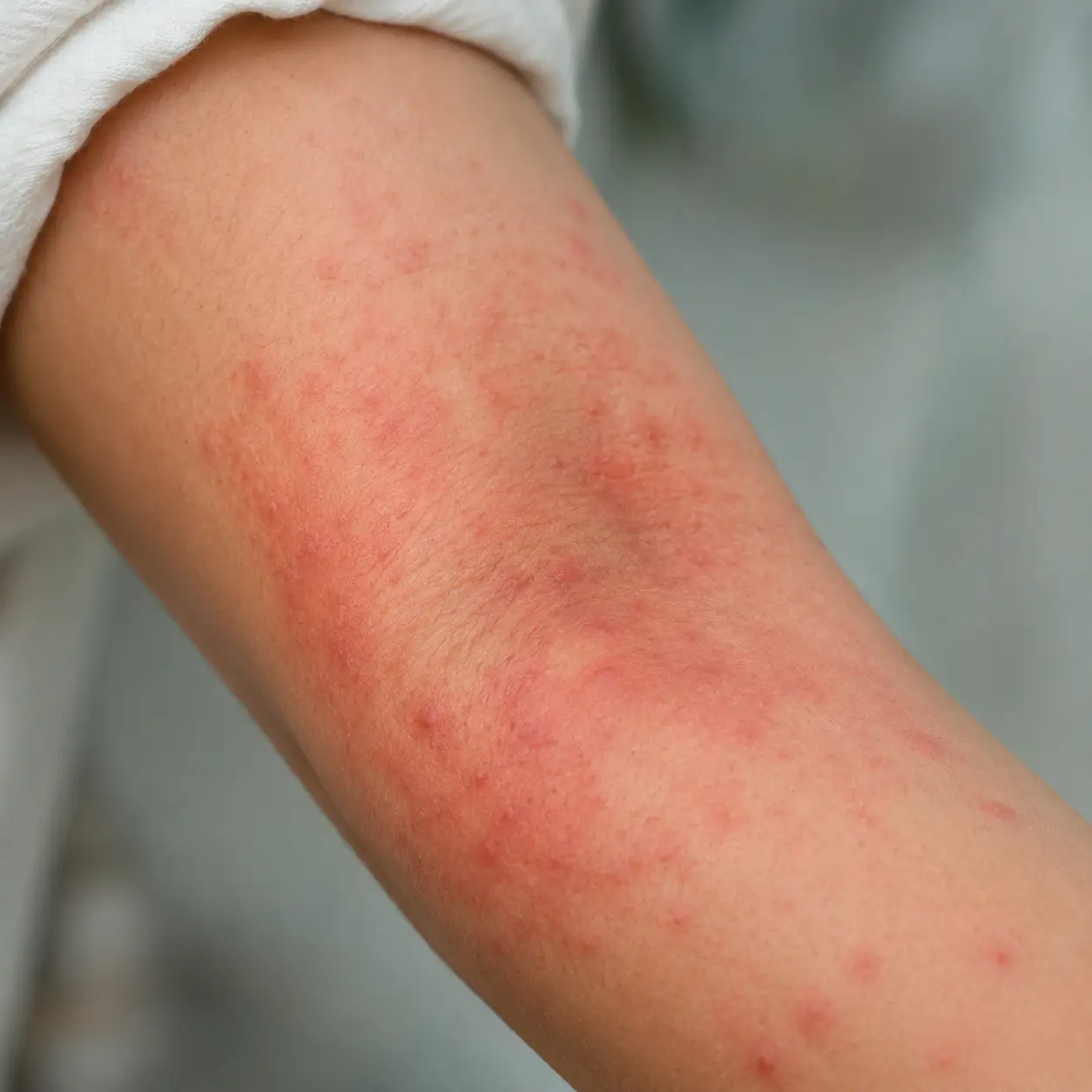
Psoriasis is a chronic inflammatory skin condition that can cause red, raised, dry, and scaly patches on the skin. It commonly affects areas such as the elbows, knees, scalp, and lower back, although it can appear anywhere on the body. Psoriasis is associated with changes in the immune system that can cause skin cells to build up more quickly than usual. At Dr. Harshini Clinic Singapore, patients receive a detailed assessment to understand their symptoms, triggers, and individual health factors, followed by a personalized approach focused on managing symptoms, reducing flare-ups, and keeping the condition under control.

Symptoms of Psoriasis

  • ✔ Red, raised, or inflamed patches of skin
  • ✔ Dry, silvery-white scales on affected areas
  • ✔ Persistent itching, irritation, or discomfort
  • ✔ Dry or cracked skin that may sometimes bleed
  • ✔ Thickened or rough patches of skin
  • ✔ Scalp flaking, scaling, or irritation
  • ✔ Nail changes such as pitting, thickening, or discoloration
  • ✔ Symptoms that may come and go in recurring flare-ups

Common Triggers of Psoriasis

  • ✔ Immune system changes and inflammation
  • ✔ Family history or genetic susceptibility
  • ✔ Emotional stress and prolonged pressure
  • ✔ Skin injuries, cuts, or irritation
  • ✔ Certain infections that may trigger flare-ups
  • ✔ Changes in weather or very dry conditions
  • ✔ Smoking, alcohol, or certain lifestyle factors
  • ✔ Certain medications or individual sensitivities

Psoriasis Treatment at Dr. Harshini Clinic

Psoriasis is a long-term condition, and treatment is generally focused on controlling symptoms rather than promising to permanently end the condition. At Dr. Harshini Clinic Singapore, each patient undergoes a comprehensive assessment to understand the pattern, severity, possible triggers, and individual factors associated with their psoriasis. A personalized treatment approach focuses on reducing inflammation and irritation, managing flare-ups, supporting healthier skin, and helping keep psoriasis under control over the long term.

What Improvement Can Look Like With Psoriasis Management

Psoriasis is a long-term condition, and the goal of treatment is to help control symptoms, manage flare-ups, and support healthier skin. Progress varies from person to person.

Early Stage

  • ✔ Reduced itching and skin irritation
  • ✔ Less discomfort in affected areas
  • ✔ Improved day-to-day skin comfort

4–8 Weeks

  • ✔ Reduced redness and visible inflammation
  • ✔ Less scaling or flaking in affected areas
  • ✔ Improved appearance and texture of the skin

8–12 Weeks

  • ✔ Better control of active psoriasis patches
  • ✔ Reduced severity or frequency of flare-ups
  • ✔ Better understanding of individual triggers

Long-Term Management

  • ✔ More consistent control of symptoms
  • ✔ Flare-ups may become less frequent or milder
  • ✔ Greater confidence in managing the condition

Important: Psoriasis affects each person differently. The time required to see improvement can vary depending on the type and severity of psoriasis, how long it has been present, individual triggers, overall health, and response to treatment. The aim is not to promise a permanent cure, but to help manage the condition and keep psoriasis under control.

How Homeopathy Is Used for Psoriasis

Homeopathic treatment for psoriasis uses individually selected homeopathic medicines with the aim of supporting long-term symptom management and helping patients manage recurring flare-ups.

🌿

Homeopathic Medicines

Homeopathic medicines are selected according to the individual pattern of psoriasis, including the type of patches, scaling, itching, dryness, and other associated symptoms.

🎯

For Recurring Flare-Ups

Homeopathic treatment may be considered as part of ongoing care for people experiencing recurring psoriasis flare-ups, with the focus on managing symptoms over time.

🔄

Long-Term Support

Psoriasis can follow a recurring pattern. Homeopathic treatment is used as a longer-term approach rather than focusing only on temporary relief during individual flare-ups.

💊

Individual Medicine Selection

Different homeopathic medicines may be considered for different psoriasis presentations, depending on the nature of the skin symptoms and the overall symptom pattern.

Why Choose Dr. Harshini Homeopathy Clinic?

Living with psoriasis can be frustrating, especially when symptoms repeatedly flare up. Dr. Harshini focuses on understanding each patient's individual concerns and providing personalized guidance for long-term condition management.

  • Detailed consultation to understand your psoriasis history and symptoms
  • Individualized assessment of possible triggers and lifestyle factors
  • Personalized homeopathic care based on your individual presentation
  • Regular follow-up to review changes and ongoing concerns
  • Guidance focused on managing the condition and reducing disruption to daily life
The goal: Psoriasis is a long-term condition. The focus is on understanding your individual pattern, supporting ongoing management, and helping you make informed decisions about your care.
Book Consultation

Types of Psoriasis

Psoriasis can appear in different forms, with each type affecting the skin in a different way. Understanding the type and pattern of psoriasis can help in managing the condition appropriately.

01

Plaque Psoriasis

The most common type of psoriasis. It causes raised, red patches covered with silvery-white scales, commonly appearing on the elbows, knees, scalp, and lower back.

02

Guttate Psoriasis

Often appears as many small, red, drop-shaped spots on the skin. It may develop suddenly and can sometimes occur after an infection, particularly in younger people.

03

Inverse Psoriasis

Usually affects skin folds such as the armpits, groin, under the breasts, or between the buttocks. It commonly appears as smooth, red, inflamed areas.

04

Pustular Psoriasis

A less common form that causes pus-filled bumps surrounded by red or inflamed skin. It can affect specific areas or, in some cases, larger areas of the body.

05

Erythrodermic Psoriasis

A rare and potentially serious form that can cause widespread redness, peeling, and intense discomfort across large areas of the body.

06

Nail Psoriasis

Psoriasis can affect the fingernails and toenails, causing changes such as pitting, discoloration, thickening, separation from the nail bed, or crumbling.

Frequently Asked Questions About Psoriasis

Find answers to common questions about psoriasis symptoms, types, triggers, treatment, and long-term management.

Psoriasis is a chronic inflammatory skin condition that causes areas of red, raised, dry, or scaly skin. It can affect different parts of the body, including the elbows, knees, scalp, lower back, nails, and skin folds. Symptoms can vary in severity and may come and go in flare-ups.

Common symptoms include red or inflamed patches, dry skin, silvery-white scales, itching, cracking, thickened skin, and recurring flare-ups. Psoriasis can also affect the nails, causing pitting, discoloration, thickening, or separation from the nail bed.

Psoriasis is associated with an abnormal immune response that causes skin cells to build up more rapidly than usual. Genetics can also play a role. Factors such as stress, skin injury, infections, weather changes, smoking, alcohol, and certain medications may trigger or worsen flare-ups in some people.

No. Psoriasis is not contagious. It cannot spread from one person to another through touching, sharing food, physical contact, or being around someone who has psoriasis.

Common types include plaque psoriasis, guttate psoriasis, inverse psoriasis, pustular psoriasis, erythrodermic psoriasis, and nail psoriasis. Plaque psoriasis is the most common form, while erythrodermic psoriasis is rare and can require urgent medical attention.

Psoriasis is generally considered a long-term condition with periods of improvement and flare-ups. There is currently no guaranteed permanent cure. Treatment focuses on controlling symptoms, reducing flare-ups, and maintaining healthier skin over time.

Some people seek homeopathic treatment as a complementary approach for long-term psoriasis management. Homeopathic medicines are selected according to the individual's symptoms and overall symptom pattern. Homeopathy should not be used as a replacement for medically indicated psoriasis treatment, particularly in severe or rapidly worsening cases.

The time required to see improvement varies from person to person. It depends on the type and severity of psoriasis, how long the condition has been present, individual triggers, and response to treatment. Psoriasis management is usually focused on gradual and sustained control rather than a fixed treatment timeline.

Common triggers can include stress, skin injuries, infections, changes in weather, dry skin, smoking, alcohol, and certain medications. Triggers are different for everyone, so identifying personal patterns can be useful for long-term management.

Consider seeing a healthcare professional if you develop persistent red or scaly patches, frequent flare-ups, significant itching or discomfort, nail changes, or symptoms that are affecting your daily life. Widespread redness, severe pain, fever, or rapidly worsening skin symptoms require prompt medical attention.