Clinic Location Update We have shifted from A2B Veg Restaurant (Adyar Ananda Bhavan) to 320 Serangoon Rd, #02-16, Centrium Square, Singapore 218108

Psoriasis Natural Treatment in Singapore.

Understand the causes, symptoms, and personalized treatment approaches that help patients find lasting relief from Psoraisis using Homeopathy medicines.

What is Psoriasis?

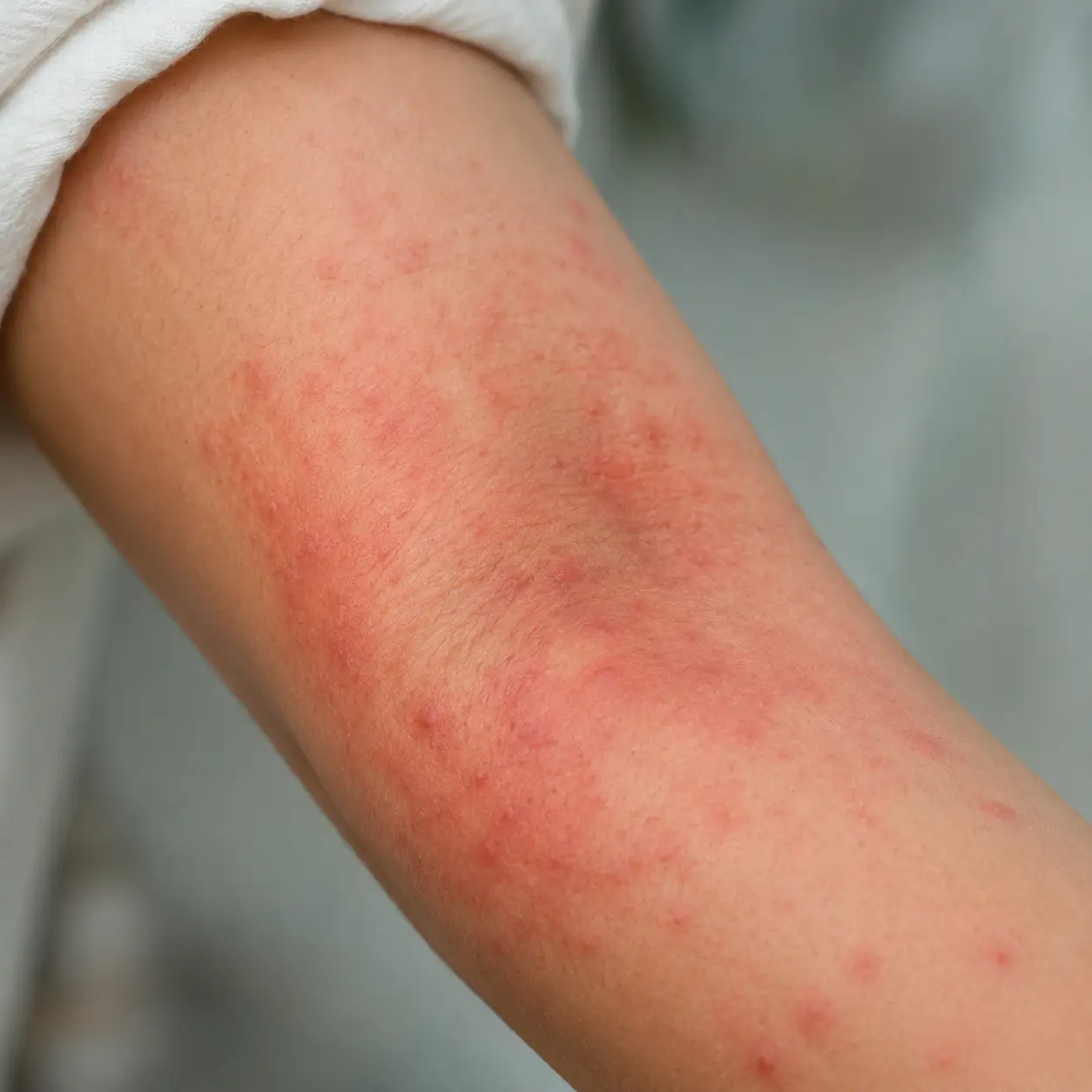
Psoriasis is a chronic inflammatory skin condition that can cause red, raised, dry, and scaly patches on the skin. It commonly affects areas such as the elbows, knees, scalp, and lower back, although it can appear anywhere on the body. Psoriasis is associated with changes in the immune system that can cause skin cells to build up more quickly than usual. At Dr. Harshini Clinic Singapore, patients receive a detailed assessment to understand their symptoms, triggers, and individual health factors, followed by a personalized approach focused on managing symptoms, reducing flare-ups, and keeping the condition under control.

Symptoms of Psoriasis

  • ✔ Red, raised, or inflamed patches of skin
  • ✔ Dry, silvery-white scales on affected areas
  • ✔ Persistent itching, irritation, or discomfort
  • ✔ Dry or cracked skin that may sometimes bleed
  • ✔ Thickened or rough patches of skin
  • ✔ Scalp flaking, scaling, or irritation
  • ✔ Nail changes such as pitting, thickening, or discoloration
  • ✔ Symptoms that may come and go in recurring flare-ups

Common Triggers of Psoriasis

  • ✔ Immune system changes and inflammation
  • ✔ Family history or genetic susceptibility
  • ✔ Emotional stress and prolonged pressure
  • ✔ Skin injuries, cuts, or irritation
  • ✔ Certain infections that may trigger flare-ups
  • ✔ Changes in weather or very dry conditions
  • ✔ Smoking, alcohol, or certain lifestyle factors
  • ✔ Certain medications or individual sensitivities

Psoriasis Treatment at Dr. Harshini Clinic

Psoriasis is a long-term condition, and treatment is generally focused on controlling symptoms rather than promising to permanently end the condition. At Dr. Harshini Clinic Singapore, each patient undergoes a comprehensive assessment to understand the pattern, severity, possible triggers, and individual factors associated with their psoriasis. A personalized treatment approach focuses on reducing inflammation and irritation, managing flare-ups, supporting healthier skin, and helping keep psoriasis under control over the long term.

What Improvement Can Look Like With Psoriasis Management

Psoriasis is a long-term condition, and the goal of treatment is to help control symptoms, manage flare-ups, and support healthier skin. Progress varies from person to person.

Early Stage

  • ✔ Reduced itching and skin irritation
  • ✔ Less discomfort in affected areas
  • ✔ Improved day-to-day skin comfort

4–8 Weeks

  • ✔ Reduced redness and visible inflammation
  • ✔ Less scaling or flaking in affected areas
  • ✔ Improved appearance and texture of the skin

8–12 Weeks

  • ✔ Better control of active psoriasis patches
  • ✔ Reduced severity or frequency of flare-ups
  • ✔ Better understanding of individual triggers

Long-Term Management

  • ✔ More consistent control of symptoms
  • ✔ Flare-ups may become less frequent or milder
  • ✔ Greater confidence in managing the condition

Important: Psoriasis affects each person differently. The time required to see improvement can vary depending on the type and severity of psoriasis, how long it has been present, individual triggers, overall health, and response to treatment. The aim is not to promise a permanent cure, but to help manage the condition and keep psoriasis under control.

PSORIASIS GUIDE • SINGAPORE

Types of Psoriasis & & Common Triggers

Psoriasis can appear in different forms and may affect different areas of the body. Understanding the type, symptoms and individual pattern can help when seeking appropriate professional care for recurring or long-term skin concerns.

01

Plaque Psoriasis

The most common form of psoriasis. It can cause raised, inflamed patches covered with silvery-white scales, commonly affecting the elbows, knees, scalp and lower back.

02

Guttate Psoriasis

Often appears as multiple small, drop-shaped spots on the skin. It can develop relatively suddenly and may sometimes follow an infection.

03

Inverse Psoriasis

This type commonly affects skin folds such as the armpits, groin and areas beneath the breasts, where smooth, inflamed patches may develop.

04

Pustular Psoriasis

A less common form characterised by pus-filled bumps surrounded by red or inflamed skin. It can occur in specific areas or more extensively.

05

Erythrodermic Psoriasis

A rare and potentially serious form that can cause widespread redness and scaling over much of the body and requires prompt medical attention.

06

Nail Psoriasis

Psoriasis can affect the fingernails or toenails, causing changes such as pitting, discolouration, separation from the nail bed or altered nail growth.

PSORIASIS IN SINGAPORE

Common Factors That May Trigger Flare-Ups

Psoriasis is influenced by a combination of genetic and immune factors, and flare-ups can vary considerably between individuals. Certain environmental and lifestyle factors may aggravate symptoms or contribute to flare-ups in some people.

Stress

Psychological stress is a commonly reported factor associated with psoriasis flare-ups.

Skin Injury

Cuts, scratches, sunburn and other skin injuries can sometimes trigger psoriasis in affected areas.

Infections

Certain infections may be associated with the onset or worsening of psoriasis in some people.

Weather & Climate

Changes in weather and environmental conditions may affect psoriasis symptoms differently from person to person.

Smoking & Alcohol

Smoking and alcohol consumption can be associated with psoriasis severity or flare-ups in some individuals.

Medications

Certain medicines may trigger or worsen psoriasis in some people. Medication changes should always be discussed with a doctor.

PERSONALISED PSORIASIS CARE

Psoriasis Care with Dr Harshini Homeopathy Clinic

At Dr Harshini Homeopathy Clinic in Singapore, psoriasis is approached as an individual and recurring skin concern. Dr Harshini Kumaravelu brings 15+ years of clinical experience to personalised homeopathic care, considering the individual's symptoms, health history, recurring patterns and broader wellbeing. Homeopathy is offered as the clinic's primary therapeutic approach for people seeking a natural, holistic or alternative medicine perspective on skin care.

DR HARSHINI HOMEOPATHY CLINIC

Personalised Care for Recurring Skin Concerns

15+ Years Clinical
Experience
SG Singapore
Clinic
Psoriasis Treatment Homeopathy Natural Care Holistic Approach Alternative Medicine Personalised Care Singapore

How Homeopathy Is Used for Psoriasis

Homeopathic treatment for psoriasis uses individually selected homeopathic medicines with the aim of supporting long-term symptom management and helping patients manage recurring flare-ups.

🌿

Homeopathic Medicines

Homeopathic medicines are selected according to the individual pattern of psoriasis, including the type of patches, scaling, itching, dryness, and other associated symptoms.

🎯

For Recurring Flare-Ups

Homeopathic treatment may be considered as part of ongoing care for people experiencing recurring psoriasis flare-ups, with the focus on managing symptoms over time.

🔄

Long-Term Support

Psoriasis can follow a recurring pattern. Homeopathic treatment is used as a longer-term approach rather than focusing only on temporary relief during individual flare-ups.

💊

Individual Medicine Selection

Different homeopathic medicines may be considered for different psoriasis presentations, depending on the nature of the skin symptoms and the overall symptom pattern.

Why Choose Dr. Harshini Homeopathy Clinic?

Living with psoriasis can be frustrating, especially when symptoms repeatedly flare up. Dr. Harshini focuses on understanding each patient's individual concerns and providing personalized guidance for long-term condition management.

  • Detailed consultation to understand your psoriasis history and symptoms
  • Individualized assessment of possible triggers and lifestyle factors
  • Personalized homeopathic care based on your individual presentation
  • Regular follow-up to review changes and ongoing concerns
  • Guidance focused on managing the condition and reducing disruption to daily life
The goal: Psoriasis is a long-term condition. The focus is on understanding your individual pattern, supporting ongoing management, and helping you make informed decisions about your care.
Book Consultation

Frequently Asked Questions About Psoriasis Treatment in Singapore

Common questions about psoriasis symptoms, causes, and natural, holistic, and homeopathic treatment options in Singapore.

Psoriasis is a chronic inflammatory skin condition that causes areas of red, raised, dry, or scaly skin, driven by an overactive immune response rather than a purely external skin problem. It can affect the elbows, knees, scalp, lower back, nails, and skin folds, with symptoms that vary in severity and tend to flare up and settle over time.

Common symptoms include red or inflamed patches, dry skin, silvery-white scales, itching, cracking, thickened skin, and recurring flare-ups. Psoriasis can also affect the nails, causing pitting, discoloration, thickening, or separation from the nail bed.

Psoriasis is driven by an overactive immune response that speeds up skin cell turnover, with genetics also playing a role. In Singapore, the year-round heat and humidity, frequent air-conditioning exposure, stress, and skin trauma from scratching or sunburn are commonly reported flare triggers, alongside infections, smoking, alcohol, and certain medications.

No. Psoriasis is not contagious. It cannot spread from one person to another through touching, sharing food, physical contact, or being around someone who has psoriasis.

Common types include plaque psoriasis, guttate psoriasis, inverse psoriasis, pustular psoriasis, erythrodermic psoriasis, and nail psoriasis. Plaque psoriasis is the most common form, while erythrodermic psoriasis is rare and can require urgent medical attention.

Psoriasis is generally a long-term condition with periods of improvement and flare-ups rather than a one-time cure. Many long-term sufferers focus instead on reducing how often and how severely flares occur — which is exactly where a natural, whole-body treatment approach like homeopathy is often used alongside medical care.

Yes. Natural and holistic psoriasis treatment in Singapore typically combines individualized homeopathic remedies with attention to diet, stress, and lifestyle triggers, aiming to reduce flare-ups by addressing the underlying immune pattern rather than only treating the visible skin symptoms.

Many long-term psoriasis patients use homeopathic treatment to reduce the frequency and severity of flare-ups over time, since it looks at the person's overall symptom pattern rather than treating each flare in isolation. It's best used as a complementary approach alongside dermatologist care, particularly for moderate to severe cases.

Yes. Homeopathic remedies for psoriasis are natural and do not contain steroids, which makes them an option some long-term patients consider alongside or after periods of steroid-based treatment, particularly if they're looking to reduce long-term steroid dependency.

Early responses are sometimes noticed within the first few weeks, while meaningful long-term flare reduction for chronic, long-standing cases typically takes several months of consistent treatment. Timelines vary based on the type and severity of psoriasis and how long it has been present.

Yes, homeopathic treatment is commonly used alongside conventional dermatological care rather than as a replacement for it, especially for managing long-term flare patterns. It should not replace medically indicated treatment in severe or rapidly worsening cases.

Consider a consultation if you have persistent or recurring flare-ups, are looking to reduce reliance on long-term steroid use, or want a treatment plan that considers stress, diet, and lifestyle alongside your skin symptoms. Widespread redness, severe pain, fever, or rapidly worsening symptoms need prompt medical attention rather than natural treatment alone.