
Clinic Location Update We have shifted from A2B Veg Restaurant (Adyar Ananda Bhavan) to 320 Serangoon Rd, #02-16, Centrium Square, Singapore 218108

Natural Migraine Treatment: Reduce Frequency, & Intensity

Understand the causes, symptoms and natural ways to find lasting relief.

Migraine Treatment in Singapore

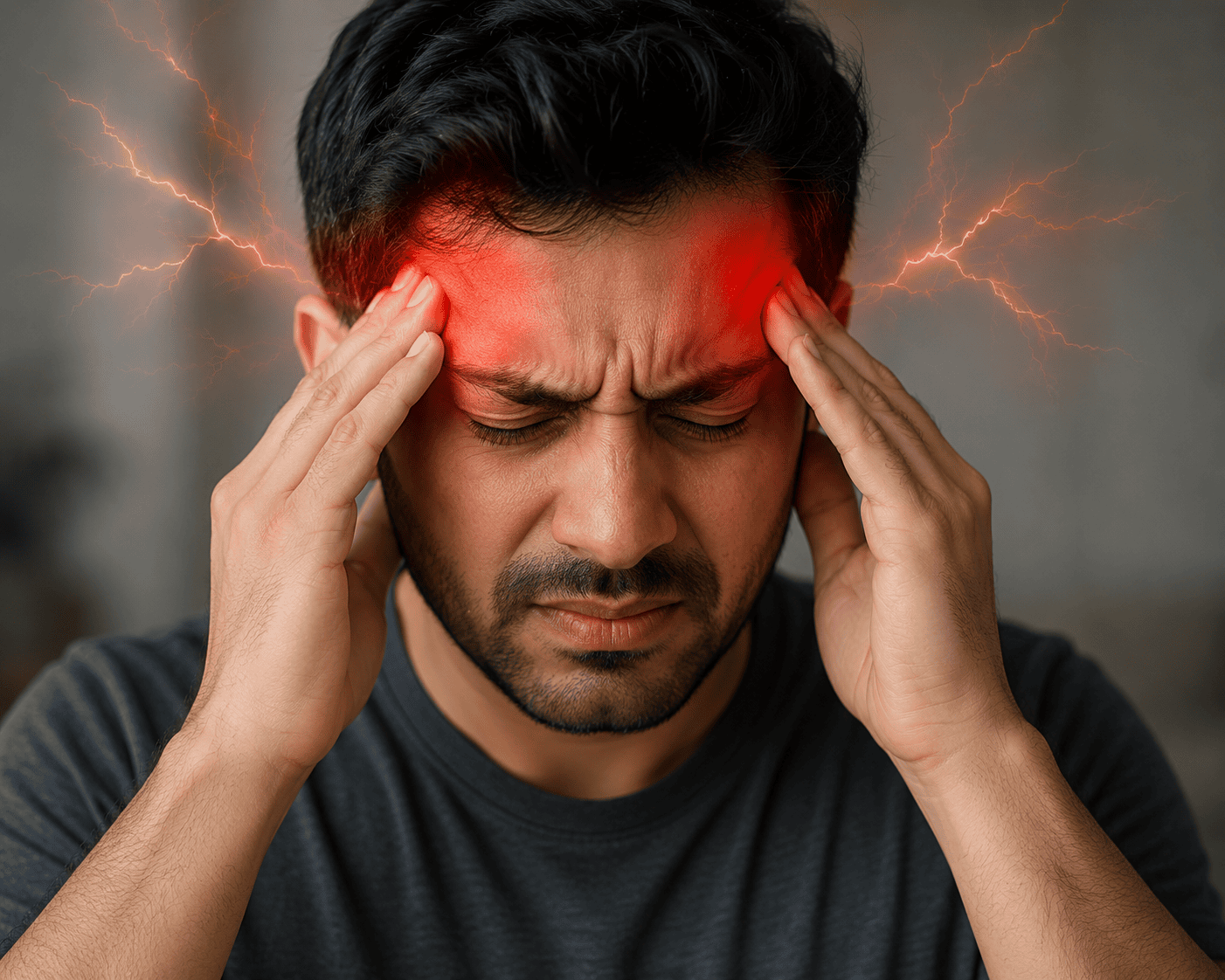
Migraine is a neurological condition that causes recurring headaches, often accompanied by nausea, vomiting, and sensitivity to light, sound, or smells. The pain can range from moderate to severe and may significantly affect work, daily activities, and quality of life. Migraine attacks may be triggered by stress, hormonal changes, poor sleep, certain foods, dehydration, or environmental factors. At Dr. Harshini Clinic Singapore, every patient receives a comprehensive evaluation to identify possible triggers and develop a personalized treatment plan focused on reducing attack frequency, relieving symptoms, and improving long-term neurological health.

Symptoms of Migraine

  • ✔ Moderate to severe throbbing headache
  • ✔ Pain on one or both sides of the head
  • ✔ Nausea or vomiting
  • ✔ Sensitivity to light, sound, or strong smells
  • ✔ Blurred vision or visual disturbances (aura)
  • ✔ Fatigue and difficulty concentrating

Common Causes of Migraine

  • ✔ Emotional stress and anxiety
  • ✔ Hormonal fluctuations
  • ✔ Lack of sleep or irregular sleep patterns
  • ✔ Certain foods and beverages
  • ✔ Bright lights, loud noises, or strong odors
  • ✔ Weather or environmental changes
  • ✔ Family history of migraine
  • ✔ Skipping meals or dehydration

Migraine Treatment at Dr. Harshini Clinic

Effective migraine treatment begins with understanding the pattern, severity, and triggers of your headaches. At Dr. Harshini Clinic Singapore, patients undergo a detailed assessment of symptoms, lifestyle, medical history, and contributing factors. Personalized treatment plans focus on reducing headache frequency, relieving pain, identifying avoidable triggers, and supporting long-term neurological health and overall well-being.

What Improvement Looks Like With Chronic Migraine Care

Improvement in chronic migraine is usually gradual and individualized. With appropriate care, some people may notice fewer headache days, reduced migraine intensity, better recovery after attacks, and improved daily functioning over time.

Week 2–4

    - Migraine frequency begins decreasing: 20-30% reduction
    - Initial pain intensity reduction (7/10 → 5/10)
    - Better sleep quality as migraine-free days increase
    - Reduced sensitivity to light and sound episodes

Week 4–8

    - Significant frequency reduction: 40-50% fewer migraine days
    - Pain intensity notably improved: 5/10 → 3/10 average
    - Associated symptoms improve: less nausea, better concentration
    - Some patients report reduced medication need

Week 8–12

  • Fewer headache days in some people with chronic migraine
  • Reduced sensitivity to light, sound, or nausea during attacks
  • Less disruption to work, sleep, and daily activities

Long-Term (3–6 Months)

    - Optimal results: 60-80% reduction in migraine frequency
    - Stable pain management: most attacks are mild-moderate, not severe
    - Most patients can reduce or eliminate preventive medication
    - Sustained improvements in energy, sleep, work productivity, mood - Return to normal activities without constant fear of migraine attacks

Important: Chronic migraine usually means experiencing headaches on 15 or more days per month, with migraine features on many of those days. Improvement timelines vary depending on migraine duration, frequency, triggers, sleep, stress, hormonal factors, medications, and individual response to care. Sudden severe headache, neurological symptoms, or new persistent headaches should be medically assessed.

About Dr Harshini

Why People Trust Dr Harshini

Dr Harshini Homeopathy Clinic is a Singapore-based homeopathy practice providing care for chronic and recurring health concerns, including people seeking an alternative approach to migraine care.

15+ Years Experience Dr Harshini Kumaravelu has over 15 years of clinical experience in homeopathic healthcare.
10,000+ Consultations Experience across a wide range of chronic and recurring health concerns.
Qualified Practitioner Dr Harshini Kumaravelu holds DH.Hom(UK) and D.Pharma(SG) qualifications.
Singapore-Based Clinic Located at 320 Serangoon Road #02-16, Centrium Square, Singapore 218108.
Homeopathic Migraine Care

Homeopathy & Migraine Medicines

Homeopathy is an alternative system of medicine that uses specially prepared and highly diluted substances known as homeopathic remedies or medicines.

In homeopathic practice, there is not necessarily one standard medicine used for everyone with migraine. A homeopathic remedy is selected according to the person's symptoms, associated characteristics and overall presentation.

At Dr Harshini Homeopathy Clinic, homeopathic medicines are prescribed following a consultation and may be used as an alternative approach for people experiencing recurring migraine.

Homeopathic Remedies Specially prepared and highly diluted substances used according to homeopathic principles.
Remedy Selection The migraine pattern, associated symptoms and individual presentation are considered when selecting a remedy.
Ongoing Review Symptoms and changes over time can be discussed during subsequent consultations.
Homeopathy is an alternative approach. Scientific evidence has not established homeopathy as an effective treatment for migraine. It should not replace necessary medical diagnosis, prescribed treatment or urgent medical care.

What Is Migraine?

Migraine is a neurological condition that can cause recurring headache attacks, often accompanied by symptoms such as nausea, sensitivity to light or sound, and sometimes visual disturbances.

A migraine attack can vary from person to person. Some people experience a throbbing or one-sided headache, while others may notice nausea, dizziness, visual changes or increased sensitivity to everyday sounds and light.

When headaches keep returning, understanding the pattern, frequency, associated symptoms and possible triggers can be an important part of appropriate migraine care.

Migraine Care

More Than Just a Headache

Recurring migraine can affect work, concentration, sleep, daily routines and overall quality of life. A personalised assessment can help identify patterns that may be relevant to ongoing care.

Common Migraine Symptoms

Migraine symptoms can differ between individuals and may occur before, during or after a headache attack.

01

Throbbing Headache

Moderate to severe headache that may feel pulsating or throbbing and can sometimes occur on one side of the head.

02

Nausea

Nausea or vomiting can accompany a migraine attack and may make normal activities difficult.

03

Light Sensitivity

Bright light or visually busy environments may feel uncomfortable during an attack.

04

Sound Sensitivity

Everyday sounds may become unusually uncomfortable or aggravating.

05

Visual Disturbances

Some people experience aura, including temporary visual changes, before or during migraine.

06

Worsening With Activity

Physical activity may make headache symptoms more noticeable during an attack.

Types of Migraine

Migraine can present in different patterns. Recognising the pattern can help when discussing recurring headaches with a healthcare professional.

1

Migraine Without Aura

Migraine attacks without the temporary neurological symptoms associated with aura.

2

Migraine With Aura

Migraine accompanied by reversible neurological symptoms, commonly visual changes.

3

Episodic Migraine

Migraine attacks occurring on fewer headache days, with periods between attacks.

4

Chronic Migraine

Headache occurring very frequently over an extended period, sometimes with migraine features.

5

Menstrual Migraine

Migraine attacks associated with the menstrual cycle and hormonal changes.

6

Recurring Migraine Patterns

Some people experience attacks that repeatedly follow particular lifestyle, environmental or hormonal patterns.

Common Migraine Triggers

Migraine triggers are individual, but certain changes in routine, environment and lifestyle are commonly associated with attacks.

Stress

Emotional stress, prolonged work pressure and changes in routine may contribute to attacks.

Sleep Changes

Too little sleep, oversleeping or irregular sleep schedules may influence migraine patterns.

Missed Meals

Long gaps between meals or changes in eating patterns may be relevant for some people.

Dehydration

Inadequate fluid intake can be associated with headaches and may contribute to migraine for some individuals.

Hormonal Changes

Hormonal fluctuations can be associated with migraine attacks, particularly around menstruation.

Bright Light

Bright or flashing light and prolonged screen exposure may be uncomfortable for some people.

Strong Odours

Perfumes, chemical smells and other strong odours may trigger symptoms in some individuals.

Weather Changes

Changes in weather, temperature or atmospheric conditions may coincide with migraine attacks for some people.

Migraine Treatment in Singapore

Migraine treatment depends on the type, frequency, severity and individual circumstances. Care may involve different strategies depending on the person's needs.

Lifestyle & Trigger Management

Identifying factors that repeatedly occur around migraine attacks can form part of long-term migraine management.

  • Regular sleep and meal routines
  • Adequate hydration
  • Stress management
  • Understanding individual triggers

Natural & Holistic Care

Some people also explore natural, holistic or complementary approaches alongside appropriate medical care. The suitability of any approach depends on the individual situation.

Alternative Medicine & Homeopathy

At Dr Harshini Homeopathy Clinic, homeopathy is offered as an alternative approach for people seeking personalised care for recurring health concerns such as migraine. It should not replace necessary medical assessment or urgent treatment.

Personalised Care

Natural & Holistic Care for Migraine

For people looking beyond symptom-focused care, a holistic approach considers the wider pattern surrounding recurring migraine.

At Dr Harshini Homeopathy Clinic, this may include discussion of sleep, stress, lifestyle, recurring patterns and individual triggers alongside the person's migraine history.

Homeopathic Care Individualised homeopathic care based on the consultation.
Natural Perspective Attention to lifestyle and factors surrounding recurring symptoms.
Holistic Approach Looking at the wider health picture rather than one symptom alone.
Alternative Medicine An alternative or complementary care option for suitable individuals.

How Dr Harshini Approaches Recurring Migraine

Recurring migraine can have different patterns from one person to another. Dr Harshini's approach begins with understanding the individual's health history and migraine pattern before developing a personalised care plan.

The aim is to understand the person's overall picture and review how symptoms change over time.

01 — Detailed Consultation Discuss migraine history, symptoms, frequency and relevant health factors.
02 — Understand the Pattern Look at recurring patterns and factors that may coincide with migraine episodes.
03 — Individualised Care Develop a care approach based on the individual's consultation and needs.
04 — Ongoing Review Review progress and make adjustments where appropriate.
Homeopathic care is an alternative approach and should not replace emergency care, necessary diagnosis or prescribed medical treatment.

When Should You See a Doctor for Migraine?

Not every recurring headache is migraine. Medical assessment is especially important when a headache is new, unusually severe or associated with concerning symptoms.

Seek prompt medical attention if you experience:

  • A sudden, extremely severe or rapidly developing headache
  • A significant change in your usual headache pattern
  • New weakness, numbness, confusion, fainting or difficulty speaking
  • Headache with fever, stiff neck or significant illness
  • A new headache following a head injury
  • New or unusual headache symptoms that require medical evaluation

If you are unsure whether your symptoms are migraine, consult a qualified healthcare professional for appropriate assessment.

Frequently Asked Questions About Migraine

Answers to common questions about migraine symptoms, treatment and personalised care in Singapore.

What are the common symptoms of migraine?
Common migraine symptoms can include throbbing or pulsating headache, nausea, vomiting, sensitivity to light or sound and, in some people, visual or other neurological symptoms known as aura.
What can trigger a migraine attack?
Migraine triggers vary between individuals. Commonly reported factors include stress, changes in sleep, missed meals, dehydration, hormonal changes, bright light, strong odours and weather changes.
What is the difference between episodic and chronic migraine?
Episodic migraine occurs on fewer headache days, while chronic migraine involves very frequent headaches over an extended period. A healthcare professional can assess headache frequency and symptoms to determine the appropriate diagnosis.
What migraine treatment is available in Singapore?
Migraine management in Singapore may include acute treatment, preventive treatment when appropriate, lifestyle and trigger management, and other complementary approaches depending on individual circumstances.
Can migraine be managed with natural treatment?
Some people explore natural or holistic approaches as part of migraine care. These may include attention to sleep, hydration, regular meals, stress and individual triggers. Natural approaches should be considered alongside appropriate medical assessment when needed.
Is homeopathy used for migraine care at Dr Harshini Homeopathy Clinic?
Yes. Dr Harshini Homeopathy Clinic offers personalised homeopathic care for people seeking an alternative approach to recurring health concerns such as migraine. Homeopathy should not replace necessary medical evaluation or urgent treatment.
Can I seek holistic or alternative treatment for recurring migraine?
Yes. People with recurring migraine may explore holistic or alternative approaches as part of their overall care. An individual consultation can help determine whether this approach is appropriate for their circumstances.
Can stress and poor sleep contribute to migraine?
Stress and changes in sleep are commonly reported migraine triggers. Keeping a consistent sleep routine and identifying individual patterns can be useful components of migraine management.
When should I see a doctor for a migraine?
Medical assessment is important for a new, unusually severe or changing headache, or when symptoms such as weakness, confusion, fainting, fever, stiff neck or other neurological changes occur.
Where is Dr Harshini Homeopathy Clinic located in Singapore?
Dr Harshini Homeopathy Clinic is located at 320 Serangoon Road #02-16, Centrium Square, Singapore 218108. Consultations are available for people seeking personalised homeopathic and holistic care.